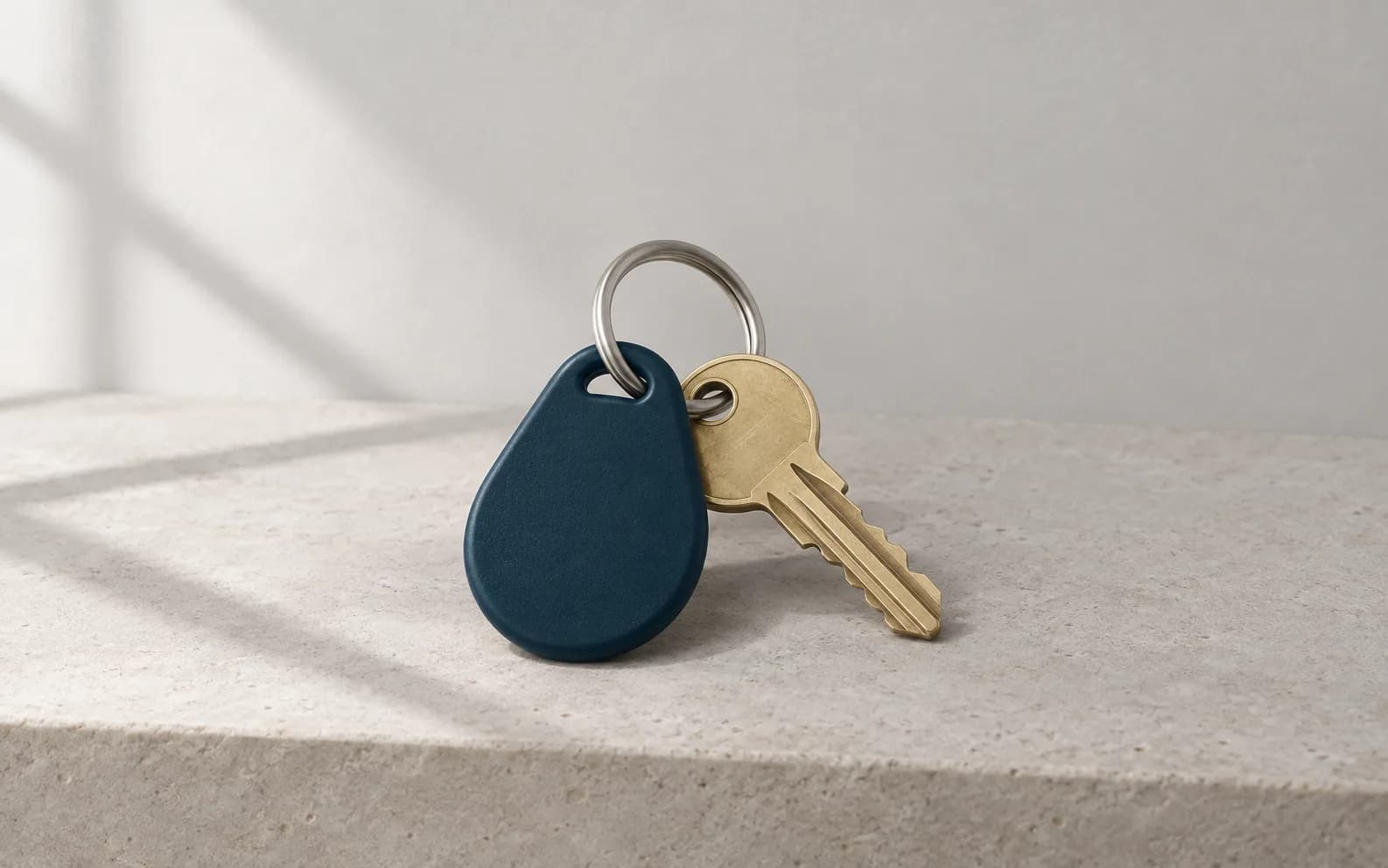
Access control for a residential building means the entrance, basement or storage rooms open with a key fob, card, phone or code instead of a key. Every resident gets their own fob, and a lost one is removed from the system without changing locks or handing out new keys to the whole building.
This guide is written for co-owners' representatives: what access control solves, which doors in a building are worth covering, what to choose for residents and what for deliveries and technicians, and how to take the proposal from the first idea to installation.
Why an entrance key is no longer enough
- Nobody knows how many copies exist. The entrance key gets copied for years for children, tenants, cleaners and tradespeople.
- Former residents and tenants often keep their key. Their access can't be taken away without replacing the cylinder.
- Replacing the cylinder is costly and slow. Afterwards new keys have to be handed out to every flat.
- The basement, storage rooms and boiler room share one key. Rooms with meters, installations and residents' belongings open for anyone who has it.
- Couriers and technicians need someone to let them in, or the entrance door is left open.
How access control works in a building
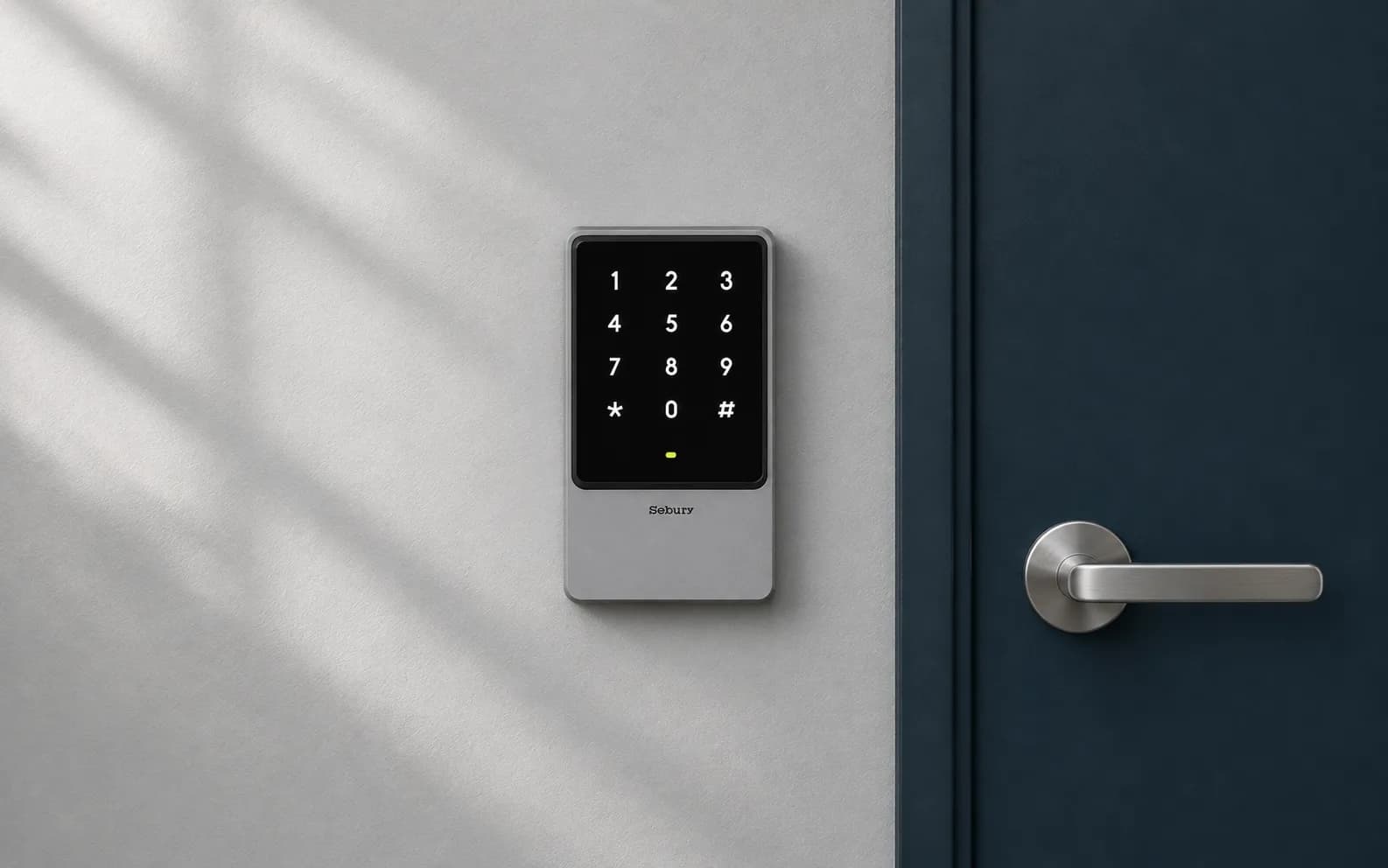
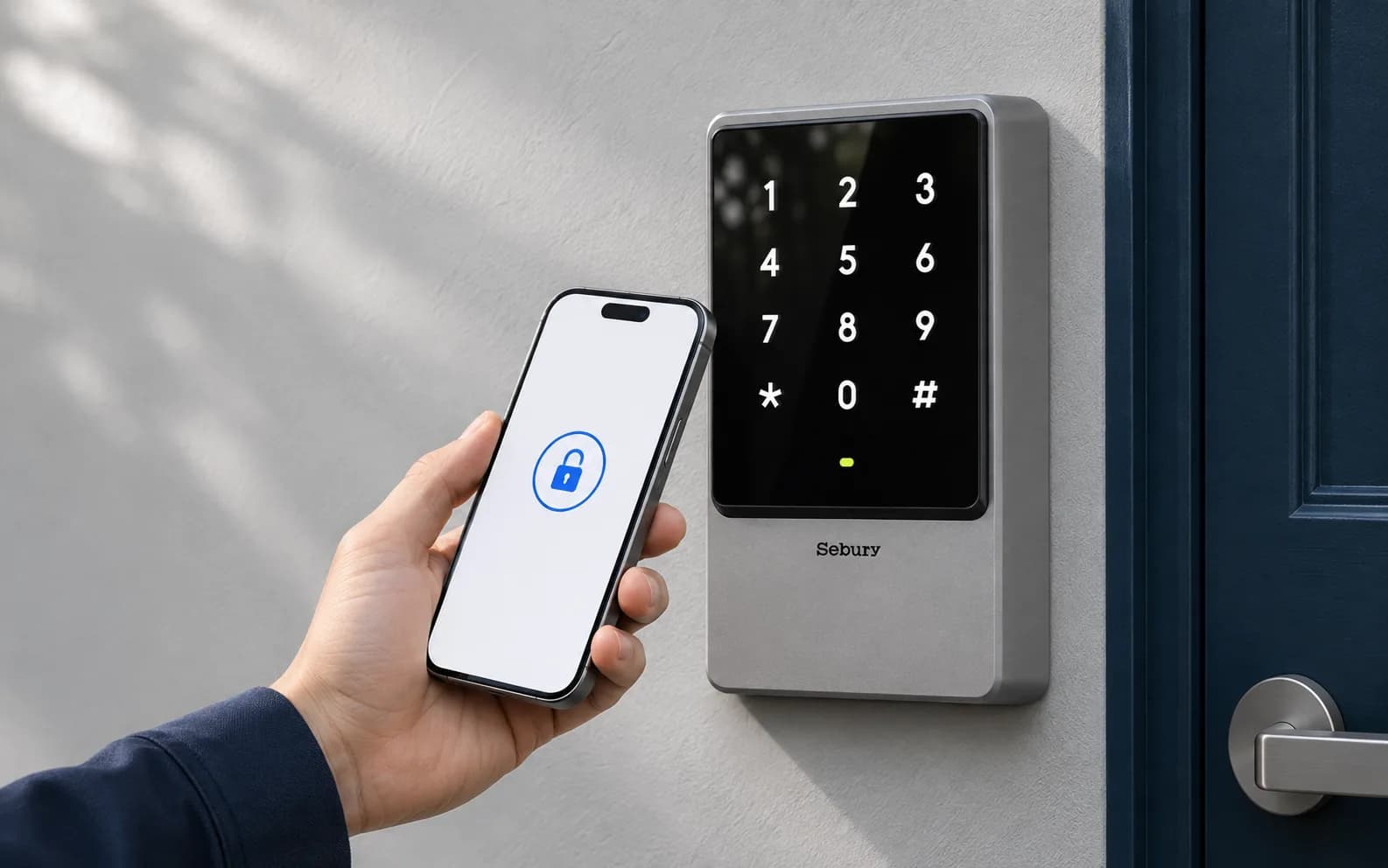
A reader is mounted next to the door. A resident holds up a fob, card or phone, or types a code on the keypad, and the door unlocks. Every fob is separate in the system, so one can be disabled while all the others keep working.The co-owners' representative, or a person the building appoints, adds new residents and disables lost fobs. No locksmith and no new key for every flat.
Which doors to cover
| Who enters | What you get | |
|---|---|---|
| Main entrance | All residents, deliveries, technicians | Entry only with a fob or code, and a lost fob is disabled straight away |
| Basement and storage rooms | Residents who use them | Strangers can't walk into the basement just because they got past the main door |
| Boiler and utility rooms | Representative, building manager, technicians | Only those who need to can reach the installations |
Most buildings start with the main entrance and add the basement and utility rooms straight away or later. The same resident fob can open both the entrance and the basement, while utility rooms open only for the fobs you choose.
Fob, card, phone or code
| For whom | Note | |
|---|---|---|
| Key fob | Residents | It sits on the key ring, so people rarely forget it. The most common choice in buildings. |
| Card | Residents, building manager | Fits in a wallet. Works the same as a fob. |
| Phone | Residents who'd rather not carry a fob | The door opens with the phone, so there's no fob to lose. |
| Code | Deliveries, technicians, cleaners | No physical item to hand out. Easy to change when it's no longer needed. |
In practice buildings combine them: residents have fobs or use their phone, and a code is for people who come occasionally. If the code leaks, it gets changed, and residents' fobs keep working.
The equipment we install
We install Sebury readers that combine a keypad and a fob and card reader in one device, and we also have Sebury devices that let residents open the door with their phone. For entrance doors we choose models with a metal housing that withstand rain, cold and rough handling, because a building entrance is used by hundreds of people a year.Which model suits your doors is decided at the assessment, based on the door, the lock and where the reader will sit.
From idea to installation
How to take the proposal through the building
- 1
List what you need
The co-owners' representative lists which doors to cover, how many flats there are and who else comes in regularly: deliveries, cleaners, technicians.
- 2
Free assessment
We visit the building in Zagreb or the surrounding area, look at the doors and suggest equipment and unlocking methods.
- 3
Written quote
We send a quote for the equipment and installation that the representative can share with the co-owners and the building manager.
- 4
Co-owners' decision
Co-owners decide under the Croatian Act on the Management and Maintenance of Buildings. The building manager knows what consent is needed and how the work is paid for.
- 5
Installation and handing out fobs
We install the readers, test every door, enrol residents' fobs and show the representative how to add a new one and disable a lost one.
Access control installation
What the assessment looks like, what we check and how the installation runs, from the first visit to handover.
What to prepare before the assessment
- Number of flats and roughly how many fobs each flat needs.
- List of doors: main entrance, basement, storage rooms, boiler room, other entrances.
- Who else comes in: deliveries, cleaners, the building manager, lift or heating technicians.
- The building manager's contact, if the quote should go to them as well.
Want access control in your building?
We come for a free assessment, look at the doors and send a written quote you can share with the co-owners.